
Termite Inspection (Wood Destroying Insect (WDI))
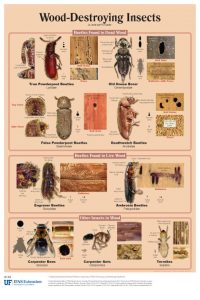
Our termite inspection identifies wood-destroying insects such as termites, carpenter ants, and carpenter bees. These pests can silently damage a home’s structure over time. This service is often completed during your general home inspection and is handled by a licensed third-party specialist.
Wood-destroying insects thrive in moist environments. Leaking pipes, roof damage, poor ventilation, or wood-to-soil contact all raise moisture levels. Over time, these conditions attract termites and other pests. Damage can go unnoticed for months. That’s why a termite inspection is a smart step for any homeowner or buyer.
Signs you may have termites:
- Sagging or weakened wooden structures
- Bubbled, warped, or cool-feeling paint on wood
- Piles of small, papery wings near windows or floors

- Mud tubes on concrete, masonry, or foundation walls
In the Midwest, termites swarm in spring, often after a rain. Swarms typically happen at dusk or dawn. Our inspectors are trained to spot swarmers and other signs during your termite inspection.
Homeowner tips to prevent infestations:
- Swap outdoor white bulbs for yellow or amber ones in spring
- Keep mulch, gardens, and plants at least one foot from the foundation
- Repair leaking gutters, pipes, and roofs right away
- Store firewood and lumber several feet from the home
- Use pressure-treated wood where any lumber contacts the ground
It’s also helpful to know the difference between ants and termites. Termites have thick waists, bead-like antennae, and two sets of equal-length wings. Ants have pinched waists, elbowed antennae, and smaller hind wings.
A single termite queen can lay up to 1,000 eggs per day. Colonies grow fast and can cause extensive, costly damage.
Protect your home with a professional termite inspection. Whether you’re buying, selling, or maintaining, we’re here to help you stay ahead of potential damage.