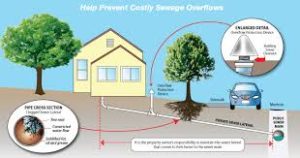
A sewer lateral inspection is an important step in checking the condition of a home’s underground sewer line. The lateral line connects your home’s plumbing to the public sewer system, usually beneath the street. Over time, sewer laterals can develop cracks, blockages, root intrusion, or collapse—often with no warning signs inside the home. If left untreated, damage can cause backups, costly repairs, or even health hazards. Many cities now require a sewer lateral inspection before selling or transferring a home.
During the inspection, a high-tech camera is inserted into the sewer line to check its condition from the inside. The lateral line—also called a house tap or building sewer—carries wastewater from your home to the city’s main sewer. Your sinks, showers, toilets, and washing machines all drain through this pipe to the municipal treatment plant.
Inspectors use a snake cable with a camera, feeding it from a pipe stack to the city’s main line. The video plays live on a monitor and records the entire inspection. This gives a clear, real-time view of damage, clogs, or other problems. If issues are found, the inspection report helps homeowners plan repairs or negotiate during a sale. Even if problems aren’t immediate, early detection prevents costly emergencies later. Lateral line blockages often result from grease buildup or invading tree roots. These roots can cause cracks, misalignments, or even crush the pipe in rare cases.
In some cases, the city may pay for part of the repair. However, most cities require a formal inspection report and video before accepting claims. You’ll receive both from the inspector on the day of your sewer lateral inspection.
Whether buying, selling, or maintaining, this inspection offers peace of mind and protects your home’s plumbing system.
A sewer inspection is specifically tailored to complement the home inspection process.
The equipment that makes this possible is a flexible rod connected to a high-resolution camera which transmits video from the sewer to a monitor above. The videos and pictures of the sewer line are then prepared in a report that will be emailed to you and your agent.
A sewer inspection is a very important influence in your decision to purchase a home and can easily be scheduled either through your home inspector or by contacting us direct. Clay and cast iron piping was used extensively up into the mid-1970s for sewer lines. From then on most piping was converted over to PVC. The older rigid clay and cast iron pipes have a greater risk of breaks, cracks, offsets and root intrusion at the joints.