
What is a well and septic system inspection
Private well water often offers excellent quality. Before buying a home with a private well, schedule a full well system inspection. This inspection ensures the well works properly and the water meets health standards.
Before the inspection, get the well log or record. This document provides details about the well’s history and surrounding ground. Contractors must file a well log with the state after completing a new well. Well owners should also keep a copy for future service or repairs.
Well Water Inspection

- We will perform a flow test to check system output and measure the water level before and during pumping.
- We will check the pump motor’s amp load, grounding, and line voltage to evaluate performance.
- We will inspect the pressure tank and pressure switch contact.
- We will examine water quality by checking for odor, cloudiness, and other issues.
- We will inspect all well equipment to ensure it is sanitary and meets local code requirements.
- We will test your water for coliform bacteria, nitrates, iron, manganese, hardness, and sulfides.
- We will also test for other local concerns that may affect plumbing, staining, appearance, or odor.
- You will receive a clear, written report with all results and our professional recommendations.
- The report will include all lab and field test results.
Septic Inspection
Our licensed third-party partners will inspect your well and septic system for compliance with Missouri state and local codes. You can trust their evaluation to be accurate and complete.
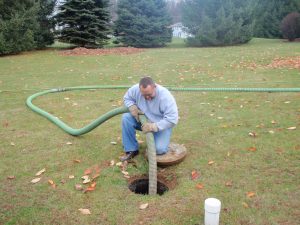
Septic Tank Pumping Schedule
Pumping frequency depends on household size, water usage, and tank size—not bathroom count.
The number of bedrooms typically determines tank size.
Recommended pumping schedule:
- 1 Person: Every 5 years
-
2 People: Every 4 years
-
3 People: Every 3 years
-
4 People: Every 2–3 years
-
5 People: Every 1–2 years
-
6+ People: Every year
Following this schedule can extend the life of your leach field. A well-maintained field can last about 20 years. Replacing a failed leach field can cost around $10,000. Routine maintenance saves money and extends the life of your system.
Important Septic Considerations
Garbage disposals reduce the life of your septic system by adding raw food waste. Septic bacteria cannot digest this waste properly. Water softeners also reduce system life. The salt in softened water corrodes concrete tanks and weakens them over time.
Do not drive over the leach field. This can crush pipes and stop proper drainage. Do not plant trees, shrubs, or deep-rooted plants over or near septic pipes. Roots can clog pipes from the house to the tank and from the tank to the leach field. Only plant grass over the leach field. Grass helps with water absorption and erosion prevention.
Septic Tank Accessibility
- Install a well riser on any tank buried deeper than 2 feet.
- Tanks can be buried anywhere from surface level to 6 feet deep.
- Contractors install tanks at various depths, so check yours for easy access.